
How Much Fat Can Be Removed Safely in Liposuction?
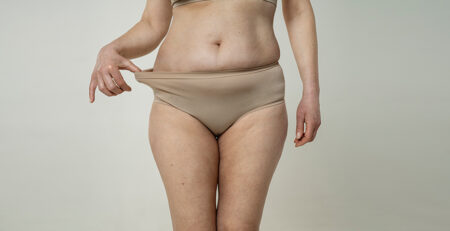
Having fat in certain areas of the body, such as thighs, side bulges, upper arms, and abdomen, can be frustrating. And even sometimes these fat pockets become so stubborn that continuous regular exercise and a balanced diet fail to remove them completely. This is where liposuction has become a widely considered cosmetic procedure for people looking to refine their body contours, ultimately removing these stubborn fat pockets.
However, these people often come across one common concern: how much fat can be removed safely during liposuction. Understanding this is crucial to making informed decisions about your overall liposuction treatment in Delhi.
One important thing to note is that the procedure is designed to reshape specific areas of the body, and not to remove unlimited amounts of fat.
This blog discusses everything you need to understand about the amount of fat that can be removed in a single session of liposuction.
What Is Liposuction?
It is crucial to understand what liposuction treatment truly means.
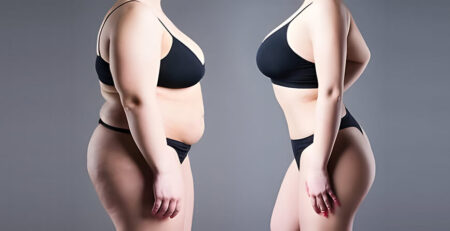
Liposuction is a cosmetic surgical procedure. It is designed to remove excess fat deposits from specific areas of the body. It plays a major role in improving body contours and proportions, especially when diet and exercise alone are not enough.
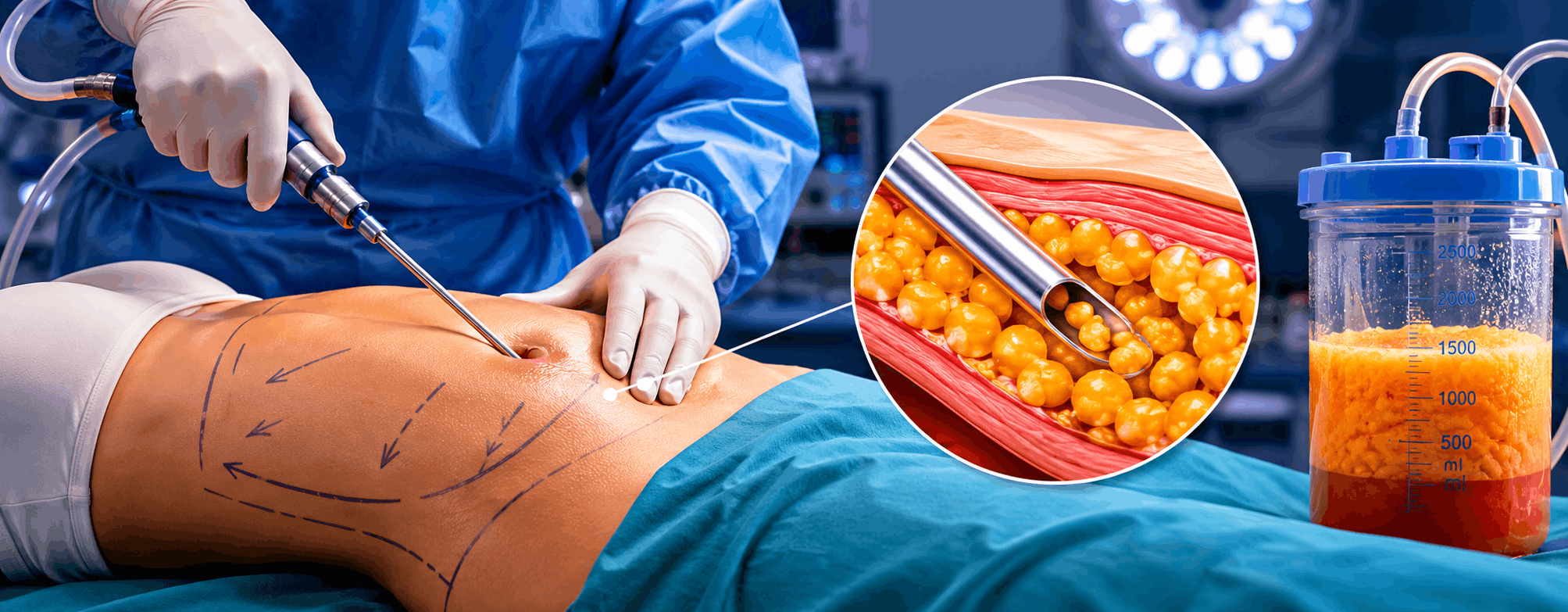
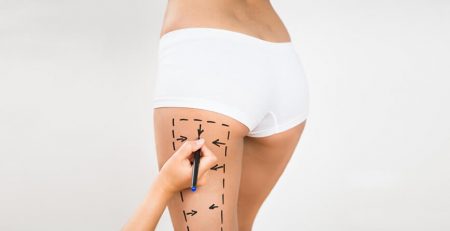
The procedure is performed by inserting a thin tube called a cannula through small incisions in the skin. The cannula connected to a suction device is what breaks up and removes unwanted fat from the targeted area.
Many people confuse liposuction with a weight-loss method, but it is important to note that this is a body contouring procedure. Individuals who are very close to their ideal weight but are struggling with some stubborn fat deposits can opt for liposuction.
The modern medical advancements have made several upgrades in the techniques of the procedure, such as tumescent liposuction, laser-assisted liposuction, and ultrasound-assisted liposuction, providing improved safety and precision.
Why Is There a Limit on Fat Removal During Liposuction?
Liposuction is designed to effectively remove stubborn fat deposits, typically the ones that don’t respond to consistent diet and exercise. However, there is a medical limit to how much fat can be safely removed in a single session of liposuction. These limits are curated to protect the patient from any complications later, ensuring safe recovery.
Now, why these limits exist is because:
Liposuction is not designed to remove only fat. The procedure may also involve the removal of small amounts of fluids, blood, and tissue. This is what can affect the body’s overall balance. Additionally, removing excessive fat in just one session can also increase the risk of dehydration, blood loss, infection, and other surgical complications.
A body’s ability to recover and heal properly is another factor, due to which there is a limit on the amount of fat that can be removed. If too much fat is removed in one single session, it can put your body under so much stress, which may slow down healing and increase the chances of swelling, fluid buildup, or irregular skin contours.
Hence, medical guidelines and expert surgeons always prefer to follow safety recommendations carefully. This is how they help you ensure that the procedure remains both effective and safe.
However, if a person wants to remove a larger amount of fat, surgeons generally recommend multiple sessions to be performed over time.
Now, let’s discuss how much fat can be removed safely.
How Much Fat Can Be Removed Safely in Liposuction?
The amount generally depends on several medical factors. Primarily, it includes the patient’s body type, overall health, and the areas to be treated. Most of the medical guidelines of plastic surgery suggest that up to 5 liters, which is about 11 pounds of fat and fluid combined, can be safely removed in one single session when performed in an accredited surgical facility.
This limit is widely followed across cities and countries, as removing more than this can significantly put the patient at risk of complications, such as excessive blood loss, fluid imbalance, infection, or prolonged recovery.
Moreover, it is also important to note that the “5-liter rule” is not a universal number for every patient. To some patients, an expert surgeon may advise you to remove less fat depending on their body mass index (BMI), skin elasticity, and medical history.
Before the procedure, a qualified plastic surgeon always evaluates these factors carefully before deciding on the safe removal limit.
Read More: Liposuction After Pregnancy: A Guide for New Moms
Factors That Determine How Much Fat Can Be Removed
The following are a few factors that help ensure the procedure remains safe while delivering balanced and natural-looking body contouring results.
Patient’s Body Mass Index (BMI)
BMI is one of the most important factors that help determine the safe fat removal limit. A patient with high BMI may face higher surgical risks, whereas people with a body weight closer to their ideal body weight are often seen to achieve better contouring results while removing a small amount of fat.
2. Overall Health Condition
The overall health condition a patient has, such as heart health, blood pressure, and underlying medical conditions, can also significantly influence the amount of fat that can be removed safely. So, somebody in good overall health usually tolerates the procedure better.
3. Skin Elasticity
Your skin elasticity affects how well the skin tightens after fat removal. So an individual with firm, elastic skin generally achieves smoother results even if a moderate amount of fat is removed.
4. Number of Treatment Areas
Liposuction can be performed on multiple areas of the body, such as the abdomen, thighs, arms, or back. So, the total removed across all treated areas must remain within safe medical limits.
5. Surgical Technique Used
The surgical technique used, such as tumescent liposuction, laser-assisted liposuction, or ultrasound-assisted liposuction, can also influence how fat is removed and the recovery process.
6. Surgeon’s Clinical Assessment
Your surgeon’s clinic assessment also helps evaluate the patient’s anatomy goals and safety considerations before determining the safe amount of fat that can be removed.
Conclusion
Choosing liposuction surgery in Delhi is one of the greatest ways to deal with stubborn fat pockets that do not respond to diet and exercise. This procedure has shown visible results in improving body contours rather than working as a weight loss solution. Removing up to 5 liters of fat and fluid in a single session is considered to be safe according to most medical guidelines. Maintaining this amount is key to ensuring patient safety and reducing the risk of complications.
Consulting an experienced surgeon can help ensure safe fat removal and natural-looking body contouring results. So, do not wait any longer, and book your appointment today with the experts at Med Esthetiks.





Leave a Reply