
Tummy Tuck After Weight Loss: Everything You Need to Know
Weight loss can significantly improve both your health and confidence. However, after losing a considerable amount of weight, some people may be left with excess or loose abdominal skin that diet or exercise alone cannot improve. In such cases, a tummy tuck, also known as abdominoplasty, may help remove excess skin and create a firmer, more defined abdominal contour. At Med Esthetiks, Dr. Lokesh Handa assesses each patient individually, considering their health, body composition, weight loss history, and aesthetic goals. Based on this evaluation, he can determine whether a tummy tuck or another body-contouring procedure may be appropriate to achieve the desired results.
Why Does Excess Skin Develop After Weight Loss?
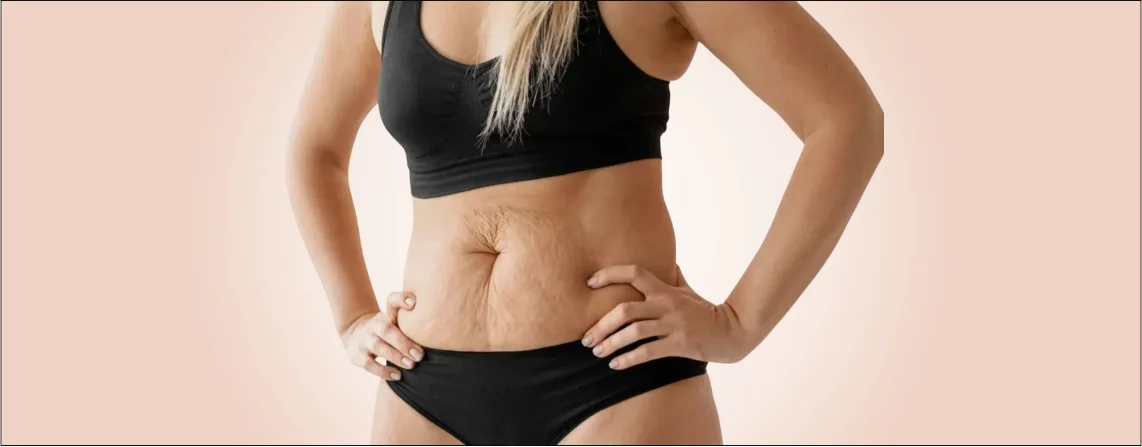
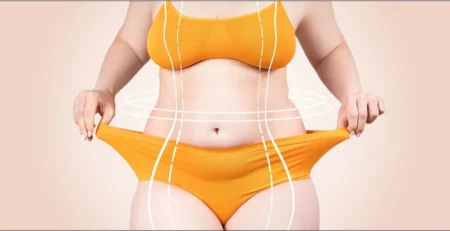
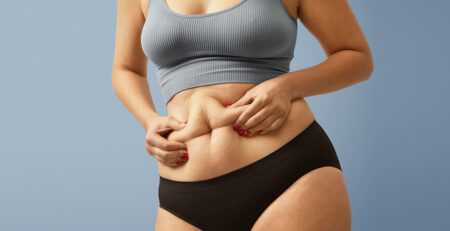
When the body gains weight, the skin stretches to accommodate increased body volume. Following significant weight loss, the skin may not have enough elasticity to fully return to its original shape. As a result, excess skin can remain, often forming loose or hanging folds around the abdomen. The amount of loose skin can vary depending on factors such as how much weight you lost, your age, your skin’s elasticity, and how long you were overweight.
The amount of excess skin after weight loss varies from person to person and can be influenced by several factors, including weight loss, age, genetics, and the skin’s natural elasticity. How long a person remains overweight may also affect the skin’s ability to regain its original shape after weight loss. Previous pregnancies can further affect abdominal skin elasticity and the amount of excess skin.
Unlike excess body weight, loose or excess skin cannot usually be removed through diet and exercise alone. When significant loose skin causes aesthetic concerns or interferes with daily activities, you may consider surgical skin removal. Excessive skin removal procedures can help improve body contours and create a firmer, more defined appearance.
What Is a Tummy Tuck After Weight Loss?
A tummy tuck, also called abdominoplasty, is a procedure surgically designed to remove abdominal skin and shape the abdomen. For eligible patients, this procedure may also include tightening weakened abdominal muscles.
A Tummy Tuck Following Weight Loss differs from losing weight. The objective isn’t primarily weight loss, but to improve the shape and firmness of your abdomen once you’ve lost weight.
During the procedure, Dr. Lokesh Handa assesses the extent and location of loose skin, as well as the condition of the abdominal muscles, fat deposits, scars from previous surgeries, and the overall body composition before establishing an individual treatment strategy.
Who May Consider Tummy Tuck After Weight Loss?
Tummy tuck surgery is appropriate for those who have experienced significant weight loss but are left with a significant amount of excess abdominal skin. Ideally, the patient’s weight should be stable before undergoing the procedure.
You may be a candidate for excess skin removal if you:
- Have significant loose or hanging skin around your abdomen.
- Have maintained a stable weight for a reasonable period.
- Are generally healthy and medically fit to undergo elective surgery.
- Have realistic expectations about the potential results of the procedure.
- Experience aesthetic concerns or physical discomfort due to sagging or excess skin.
- Do not plan to undergo significant weight loss in the near future.
- Do not have plans for a future pregnancy, as pregnancy can alter the results of abdominal contouring procedures.
A consultation is an important part of determining whether abdominal tightening is appropriate, as not everyone who has experienced significant weight loss requires or benefits from the procedure. The most suitable treatment approach depends on each individual’s anatomy, the amount and location of excess skin, overall health, and personal aesthetic or functional goals.
How Does the Procedure Remove Excess Skin?
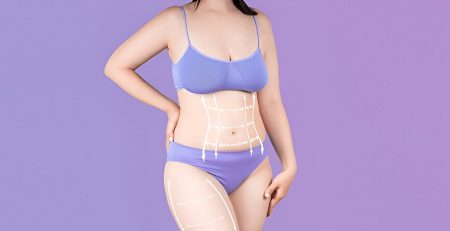
During an abdominoplasty, the surgeon typically makes an incision in the lower abdomen to access and remove excess skin and tissue. The surgeon then repositions and carefully tightens the remaining skin to create a smoother, firmer, more streamlined abdominal contour.
If needed, the surgeon may also tighten and repair weakened or separated abdominal muscles during the procedure. This can help provide better support to the abdominal area and create a firmer, smoother appearance, particularly after significant weight loss or pregnancy.
The recommended procedure depends on how much loose or excess skin you have and where it is located. Some patients may achieve their desired results with a traditional tummy tuck, while those with more significant skin laxity after substantial weight loss may benefit from a more extensive body-contouring procedure. Your surgeon will assess your individual needs and recommend the approach that best suits your body and goals.
Tummy Tuck and Body Contouring After Weight Loss
Weight loss may affect more than the abdomen. Patients may have loose skin around their flanks, arms, thighs, or back. This is why body contouring after weight loss can involve multiple procedures, depending on the patient’s needs.
Abdominal contouring may sometimes be combined with other procedures, such as liposuction or additional body-contouring treatments, to address different areas and achieve more balanced results. However, combining procedures is not appropriate for everyone. Your surgeon will consider your overall health, the complexity of the procedures, expected recovery time, and potential safety risks before recommending whether to perform multiple procedures together.
At Med Esthetiks Clinic, our approach focuses on creating balanced, natural-looking body proportions rather than simply removing as much excess tissue as possible. The goal is to achieve a smoother abdominal contour while maintaining harmony with the rest of the body.
Can Liposuction Be Combined With a Tummy Tuck?
Some patients have both loose skin and localized areas of excess fat. Liposuction surgery can help remove stubborn fat deposits from specific areas, while a tummy tuck primarily addresses loose, sagging skin and weakened or separated abdominal muscles. Depending on the patient’s needs and goals, these procedures may be combined to achieve a smoother, more balanced abdominal contour.
When it is appropriate, combining the two techniques can improve the overall shape of your abdomen. But liposuction isn’t a replacement for a tummy tuck if substantial loose skin is evident. A tummy tuck, in the same way, is not intended to be a replacement for weight loss treatments.
Dr. Lokesh Handa assesses the amount and distribution of excess skin and fat before recommending the most suitable procedure or combination of procedures for each patient. This personalized approach helps ensure the treatment plan aligns with the patient’s individual needs, body shape, and desired outcomes.
What to Expect During Recovery?
The healing process after a tummy tuck varies based on the procedure’s severity and each individual’s healing process. Patients can generally expect tenderness, swelling, and temporary activity limitations during the initial recovery period.
Your surgeon will provide detailed instructions on wound care, physical activity, medications, compression garments, and other aspects of your recovery. Following these instructions carefully can support proper healing and help reduce the risk of complications. You can gradually return to your normal daily activities as your recovery progresses and your surgeon advises.
Gentle movement is often encouraged during the healing process to support recovery. However, avoid strenuous exercise, heavy lifting, and other physically demanding activities until your surgical team confirms it is safe to resume them. Following your postoperative care instructions and attending scheduled follow-up appointments can help support proper healing and reduce the risk of complications.
As swelling gradually decreases, the changes in your abdominal contour become more noticeable. However, complete healing takes time, and scars may continue to fade over the following months.
What Results Can You Expect?
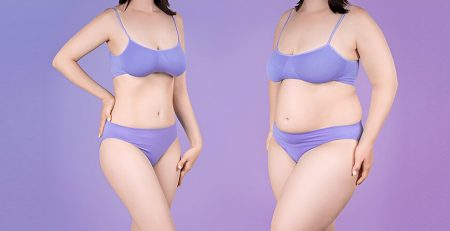
A tummy tuck may help create a firmer, flatter, and more defined abdominal contour by removing excess skin and addressing abdominal laxity when appropriate. For patients undergoing excess skin removal, the procedure may also reduce discomfort from loose or hanging skin, making everyday movement more comfortable.
Tummy tuck results can vary from person to person depending on factors such as skin quality, body shape, weight, healing response, and lifestyle habits. Maintaining a stable weight after surgery helps preserve the results over time.
A tummy tuck does not prevent future weight gain, and significant weight changes after surgery can affect the abdomen’s shape and appearance. Maintaining a stable weight through healthy lifestyle habits can help preserve the procedure’s results over time.
Why Choose Med Esthetiks for Post-Weight-Loss Body Contouring?
Choosing a skilled and experienced plastic surgeon is an important part of planning your body-contouring procedure. At Med Esthetiks, Dr. Lokesh Handa has extensive experience in aesthetic and reconstructive plastic surgery. His approach focuses on developing personalized treatment plans based on each patient’s needs, body proportions, and desired outcomes, with an emphasis on balanced, natural-looking results.
If you are considering body contouring after weight loss, a consultation is an important first step. During the consultation, the surgeon will assess the extent of loose skin, abdominal structure, fat distribution, any previous procedures, overall health, and your desired results. Based on this assessment, the surgeon will develop a personalized treatment plan to address your specific needs rather than following a one-size-fits-all approach.
Final Thoughts
Significant weight loss can positively impact your health and quality of life. However, even after reaching a stable or healthy weight, some people may continue to have loose or excess skin around the abdomen. In such cases, a tummy tuck following weight loss may be considered to address persistent skin laxity and create a firmer, more defined abdominal contour.
Whether you need excess skin removal, a tummy tuck, liposuction, or a comprehensive body contouring after weight loss depends on several factors, including your body’s anatomy, overall health, weight stability, and desired results. A thorough consultation with Dr. Lokesh Handa at Med Esthetiks can help you understand your options and determine which approach best fits your needs.




Leave a Reply