
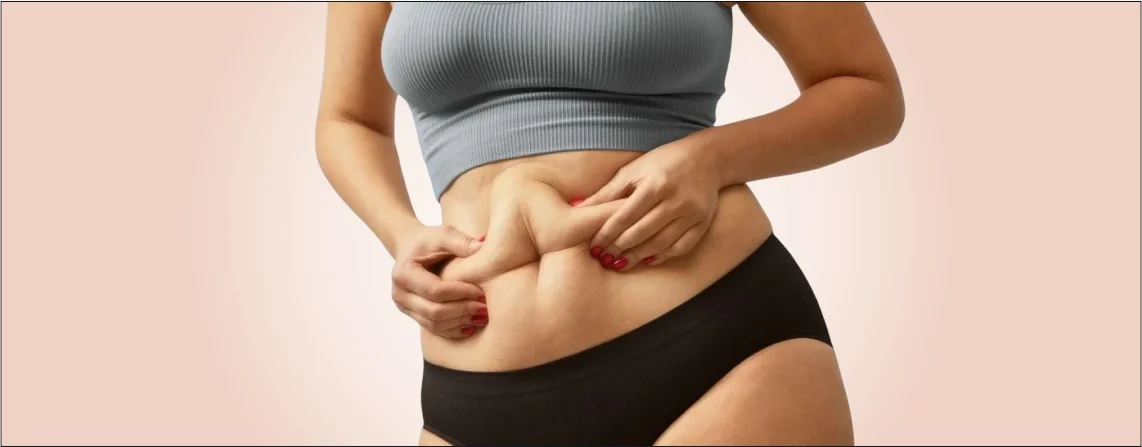
Can a Tummy Tuck Repair Diastasis Recti?
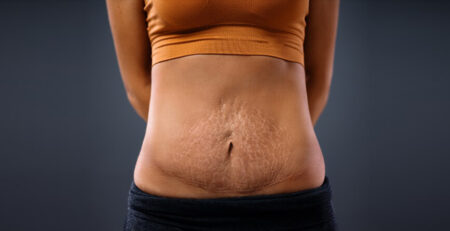
Weight fluctuations, pregnancy, and repeated stretching of the abdominal wall can contribute to diastasis recti. This condition occurs when the connective tissue between the two abdominal muscles becomes stretched, creating a gap that may lead to a persistent abdominal bulge.
While exercise can help strengthen the core muscles, it may not be enough to correct significant muscle separation. For carefully selected patients, tummy tuck for Diastasis Recti can address excess abdominal skin and repair separated abdominal muscles during the same procedure.
At Medesthetiks Clinic, Dr. Lokesh Handa evaluates each patient’s abdominal structure, skin condition, overall health, and cosmetic goals. This assessment helps determine whether a tummy tuck is an appropriate option for their individual needs.
What Is Diastasis Recti?
Diastasis recti is a condition in which the muscles separate along the abdomen’s midline. It commonly occurs when the abdominal wall is stretched significantly, particularly during pregnancy.
The abdominal muscles normally sit close together and help support and stabilize the core. When the connective tissue between these muscles stretches and weakens, the muscles can move farther apart, creating a visible gap or bulge in the abdomen.
Common signs include:
- A noticeable bulge in the abdomen
- Doming or a ridge along the midline of the abdomen
- Reduced firmness or weakness in the abdominal wall
- Changes in the shape or appearance of the abdomen
- Difficulty achieving a flatter stomach appearance
Diastasis recti can differ greatly in its severity. Some individuals may experience slight muscle separation, whereas others might experience significant abdominal laxity.
Can a Tummy Tuck Repair Diastasis Recti?
For the right patient, a tummy tuck surgery can include surgical repair of the separated abdominal muscles. During the procedure, the surgeon brings the separated muscles closer together and repairs the weakened connective tissue. This helps strengthen the abdominal wall and improve its overall support and appearance.
This procedure is often referred to as abdominal Muscle Repair, also known as plication.
A tummy-tuck procedure is not performed to treat muscle separation in all patients. The procedure’s effectiveness depends on the patient’s anatomy, skin laxity, medical history, and aesthetic goals. A thorough examination is essential before deciding whether surgery is necessary.
How Does Abdominal Muscle Repair Work?
In a tummy tuck procedure, the surgeon can access the abdominal wall beneath the skin and fat. If the muscle separation is significant, the surgeon may use sutures to bring the muscles closer together at the midline. Abdominoplasty repair helps strengthen the abdominal muscles while improving its shape.
The exact surgical approach depends on the size and location of the muscle separation. The goal is to restore strength and support to the abdominal wall while prioritizing the patient’s safety throughout the procedure.
Why Does Pregnancy Cause Diastasis Recti?
During pregnancy, the uterus expands as the baby grows. This puts increasing pressure on the abdominal wall and stretches the muscles and connective tissues that support the abdomen.
Hormonal changes during pregnancy can also make the connective tissues more flexible, allowing the abdominal muscles to separate as it expands. For some women, the abdominal wall gradually returns to its previous state after childbirth. However, in others, the muscle separation and associated looseness may persist. Multiple pregnancies, carrying a larger baby, having twins or triplets, and significant stretching of the abdominal wall may increase the risk of developing persistent diastasis recti.
Can Exercise Fix Diastasis Recti?
Exercise plays a crucial role in enhancing core strength and functioning. Certain exercises may help to strengthen the deep abdominal muscles and enhance core stability. However, exercise cannot remove excess skin or fully correct significant abdominal muscle separation.
Doctors evaluate patients with persistent abdominal concerns on an individual basis. Depending on the extent of muscle separation and the associated symptoms or concerns, treatment may include physical therapy, targeted exercises, surgery, or a combination of these approaches. A tummy tuck shouldn’t be considered a replacement for a proper medical or physiotherapy treatment.
Who May Consider Tummy Tuck for Diastasis Recti?
Patients may be eligible for a tummy tuck to treat Diastasis Recti when they have persistent abdominal muscle separation, along with other concerns like excess skin or abdominal looseness.
Candidates for consideration may include those who:
- Are not currently pregnant
- Have a stable body weight
- Have persistent abdominal skin laxity
- Have significant separation of the abdominal muscles
- Have realistic expectations about the procedure and its results
- Are medically fit to undergo elective surgery
Women who are planning another pregnancy may be advised to postpone surgery. A future pregnancy can stretch the abdominal muscles again, which may affect the procedure’s results.
What Happens During Diastasis Recti Surgery?
When muscle separation is a significant concern, Diastasis Recti Surgery can be performed as part of a tummy tuck. This can help repair the separated abdominal muscles while also addressing excess skin and improving the abdomen’s overall contour.
The procedure may include the following steps:
- Making a carefully planned incision in the lower abdomen.
- Lifting the abdominal skin and underlying tissues to access the abdominal wall.
- Assessing the abdominal wall and the extent of muscle separation.
- Repairing the separated abdominal muscles, when necessary.
- Removing excess skin and tissue.
- Repositioning the belly button when required.
- Closing the incision to create a smoother and more contoured abdominal appearance.
The procedure is tailored to the patient’s anatomy instead of using the same method for everyone.
Can Liposuction Be Combined With Muscle Repair?
In some patients, liposuction may be performed along with a tummy tuck to remove localized fat deposits around the abdomen, waist, or flanks. This combined approach can help improve the overall contour and shape of the abdominal area.
These procedures address different concerns. Abdominoplasty tightens and repairs the abdominal wall while removing excess skin, whereas liposuction targets localized fat deposits to improve body contour.
Combining procedures can offer more extensive body contouring for suitable patients; however, the choice depends on the individual’s health, anatomy, and surgical needs.
Benefits of Tummy Tuck With Muscle Repair
For suitable patients, combining tummy-tuck surgery and muscle repair may treat multiple abdominal problems in one treatment.
Potential benefits may include:
- Enlarged abdominal skin
- A firmer and more supported abdominal wall
- Repair of separated abdominal muscles
- Improved abdominal contour
- A more defined waistline
- Removal of localized fat deposits when appropriate
The main goal of this procedure is to enhance abdominal contours, not to promote weight loss.
Recovery After Diastasis Recti Repair
Recovery depends on the severity and extent of the surgery performed.
Patients might suffer from:
- Swelling
- Bruising
- Abdominal tightness
- Temporary discomfort
- Physical activity is restricted
Walking is usually encouraged, but you may need to avoid strenuous exercise and heavy lifting during the early stages of recovery. As muscle repair involves the abdominal wall, follow the surgeon’s activity restrictions carefully. Returning to exercise too soon can put unnecessary stress on healing tissues and may interfere with recovery. The abdomen’s contour gradually develops as swelling diminishes and tissues recover.
Is Diastasis Recti Surgery Right for Everyone?
Not every patient with diastasis recti needs surgery. Consider several factors before deciding on surgery, including the degree of muscle separation, symptoms, skin laxity, overall health, plans for future pregnancy, and individual goals.
Patients with mild muscle separation and no significant cosmetic or functional concerns may not need surgery. However, patients with significant excess abdominal fat, skin laxity, or persistent muscle separation may benefit from a surgical procedure, depending on their individual circumstances. A thorough assessment by a qualified surgeon is important before deciding on treatment.
Why Choose MED ESTHETIKS?
At Med STHETIKS, Dr. Lokesh Handa brings extensive expertise in aesthetic and plastic surgery, including body contouring procedures. His approach focuses on patient safety, balanced body proportions, symmetry, and individualized treatment planning.
Rather than using the same approach for every patient, he carefully evaluates the abdominal skin, underlying muscle condition, fat distribution, and overall body proportions before recommending a treatment plan.
For patients considering Diastasis Recti Surgery, this detailed assessment helps determine whether a tummy tuck with abdominal muscle repair is appropriate. It also helps the surgeon choose the most suitable surgical approach based on the patient’s individual needs and concerns.
What Should You Discuss During Your Consultation?
Before proceeding with a tummy tuck to treat Diastasis Recti, patients should consider several important factors, including:
- The extent of abdominal muscle separation
- Previous pregnancies and childbirths
- Plans for future pregnancies
- Current weight and whether it has remained stable
- Any history of previous abdominal surgery
- The amount of excess skin and localized fat
- Overall health and medical history
- Expected results
- Recovery requirements
Knowing these elements helps set realistic expectations and enables the surgeon to create an individual treatment strategy.
Conclusion
Diastasis recti may cause persistent abdominal muscle separation and skin laxity even after the physical changes associated with pregnancy have largely settled. Core-strengthening exercises can help improve abdominal function, but significant muscle separation may require surgical treatment in carefully selected patients.
A tummy tuck to Treat Diastasis Recti can combine excess skin removal with Abdominal Muscle Repair to help create a firmer, more defined abdominal contour. When appropriate, liposuction may also be considered to remove localized fat deposits and further improve the overall body contour.
At Med Estheetiks, Dr. Lokesh Handa evaluates each patient’s individual anatomy, overall health, expectations, and future plans before recommending treatment. For patients considering Diastasis Recti Surgery, an in-depth consultation can help determine whether a tummy tuck with muscle repair is suitable and which surgical approach may provide the safest and most appropriate results.







Leave a Reply