
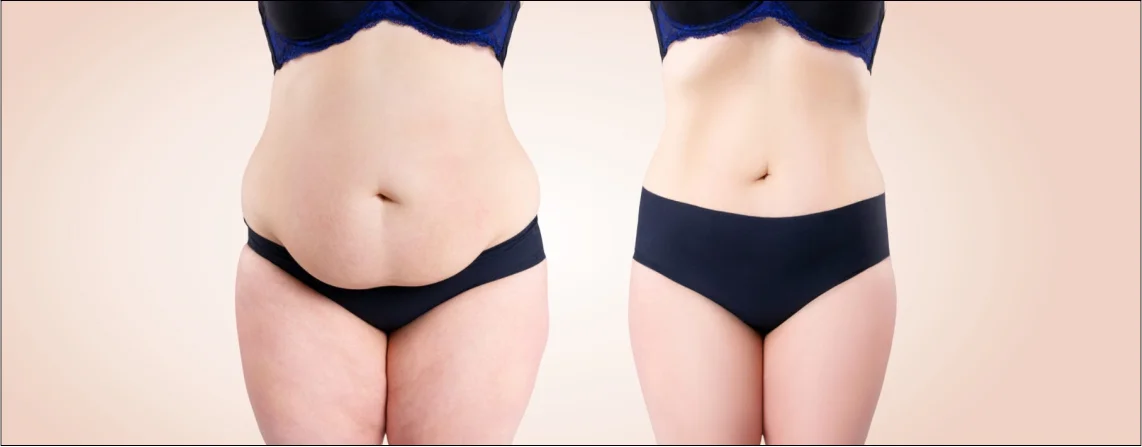
Liposuction Recovery Week by Week: A Complete Healing Guide
Liposuction can help improve the body’s contours by removing stubborn, localized fat deposits that may not respond effectively to diet and exercise. While the procedure is designed to enhance your body shape, understanding the recovery process is equally important. Liposuction healing is gradual, and temporary swelling, bruising, tightness, and changes in skin sensation may occur as your body recovers. Knowing what to expect during each stage of recovery can help you prepare for the healing process and follow your surgeon’s postoperative instructions with greater confidence.
At Med Esthetiks, Dr. Lokesh Handa develops personalized treatment and recovery plans based on several factors, including the operative site, amount of fat removed, surgical technique, and the patient’s overall health. This individualized approach ensures each patient receives appropriate care and guidance throughout recovery.
What Happens Immediately After Liposuction?
Following liposuction, swelling and bruising are common during the early stages of recovery. The treated area may also feel tight, tender, or sore, and certain movements may be uncomfortable at first. These effects generally improve as the body heals and recovery progresses.
Your surgeon may recommend wearing a compression garment to support the treated areas and help minimize swelling during recovery. You will also receive specific instructions on wound care, medications, bathing, physical activity, and follow-up appointments. Following these guidelines carefully can support proper healing and help ensure a smooth recovery.
The initial phase of recovery following liposuction focuses on relaxation, gentle movement, and protecting the treated areas while your body heals.
Week 1: The Early Healing Phase
After liposuction surgery, bruising and swelling are most noticeable in the 1st week. You may also experience tenderness, tightness, or temporary changes at the operative site.
Getting adequate rest is important during this early stage of recovery. Gentle walking is encouraged to support circulation and prevent prolonged inactivity. However, your surgeon will advise you on when to start walking and how much activity is appropriate based on your individual recovery.
At this point:
- Wear your compression garment as your surgeon directs.
- Take prescribed medications according to your surgeon’s instructions.
- Avoid strenuous exercise, heavy lifting, and other physically demanding activities until your surgeon advises that it is safe to resume them.
- Keep the treated areas clean and follow all wound-care instructions carefully.
- Attend all scheduled follow-up appointments so your recovery can be monitored.
- Stay well hydrated and follow a balanced, nutritious diet to support healing.
Recovery after liposuction varies from patient to patient, so no single timeline applies to everyone. Therefore, your surgeon’s instructions and recommendations should take priority over any general recovery guidelines.
Week 2: Gradual Improvement
In the second week, most patients start feeling more relaxed. They may also return to routine activities, depending on the severity of treatment and individual healing process.
Swelling typically decreases gradually as the body heals. The treated areas may temporarily feel firm, uneven, numb, tender, or sensitive to touch. These changes are generally part of the healing process and do not necessarily reflect the final results.
Increase your activity level gradually as your body continues to heal. Some patients may return to work within a few days or weeks, particularly if their job does not involve strenuous physical activity.
Liposuction recovery time can vary from person to person depending on factors such as the extent of the procedure, the areas treated, and the individual’s healing process. So comparing your progress too closely with someone else’s experience may not be helpful.
Weeks 3-4: Increasing Activity
In the third and fourth weeks, there are noticeable improvements in comfort and mobility. The initial bruising subsides, but swelling may persist.
Based on your surgeon’s assessment and recovery progress, you can gradually return to your usual daily activities. Resume exercise only after your surgeon permits. Following their guidance can help support proper healing and reduce the risk of complications.
As you gradually recover, you may notice changes in your body shape. However, the appearance during the early stages of recovery should not be considered the final result. Swelling and other temporary changes can affect the contour while the tissues continue to heal and settle.
Using compression garments and maintaining a steady, healthy lifestyle can support your recovery.
Weeks 5-6: Contours Become More Noticeable
Between five and six weeks, most patients notice a dramatic improvement in swelling and general satisfaction. The treated areas may start to look more defined as the swelling continues to diminish.
The treated area may feel firm, tight, or uncomfortable during recovery. Temporary changes in sensation, including numbness or increased sensitivity, may also occur. These sensations gradually subside as the tissues heal, and the affected nerves recover.
If you’re healing normally, you can increase physical activity now. However, intense exercises, heavy lifting, or other strenuous activities are only permitted with the approval of your surgeon.
During this stage of liposuction recovery, patience is important. Although you may start to feel more comfortable and notice improvements, your body may still be healing beneath the surface.
Months 2-3: Continued Healing and Refinement
During the second and third months of liposuction recovery, most of the visible swelling will gradually subside. As healing continues, the treated areas may become smoother and more natural-looking, and the final contours may become more noticeable over time.
Recovery after liposuction doesn’t end when you return to your normal daily routine. Although you may feel fully recovered, the tissues beneath the skin can continue to heal and change. Your body’s appearance and contours may also gradually improve as the healing process progresses.
Maintaining a steady weight is also important, as liposuction removes certain fat cells but doesn’t prevent future weight gain.
When Can You See the Final Results?
The final outcome of liposuction is not evident immediately. Initial swelling may temporarily obscure the progress made after surgery.
Liposuction healing time varies based on factors like the treatment area, the amount of fat removed, the technique used, skin elasticity, overall health, and your body’s healing response. Most patients notice improvements within a couple of weeks, but more extensive contour refinement may take up to a few months.
Your surgeon can provide a more personalized estimate during follow-up appointments.
Tips for a Smooth Liposuction Recovery
Some of the postoperative instructions that can help you achieve a safe and smooth recovery are:
- Follow a balanced, nutritious diet that provides adequate protein, vitamins, and other essential nutrients.
- Drink enough fluids to stay hydrated, unless your doctor has advised you to limit fluid intake.
- Avoid smoking and nicotine products as they can interfere with healing.
- Wear compression garments as directed by your surgeon.
- Take short, gentle walks when your surgeon allows them to support circulation and mobility.
- Avoid strenuous exercise and heavy physical activity until your surgeon clears you to resume them.
- Attend all scheduled follow-up appointments so your recovery can be monitored.
- Protect healing skin from excessive sun exposure and follow your surgeon’s recommendations for sun protection.
Do not take any supplements or medication without consulting your surgeon, especially in the initial recovery phase.
When Should You Contact Your Surgeon?
A little discomfort, swelling, bruising, and minor sensory changes are normal during healing. But notify your surgeon promptly if symptoms worsen rapidly, such as swelling, extreme or severe bleeding, severe pain, unusual breathing problems, chest pain, or any other atypical changes.
If you notice anything unusual or concerning during your recovery, seek prompt medical attention. Early evaluation can help identify potential complications and ensure that you receive appropriate treatment when needed.
Liposuction Recovery at Med Esthetiks
At Med Esthetiks Clinic, Dr. Lokesh Handa emphasizes personalized treatment planning, patient safety, and balanced body proportions. Each procedure is carefully planned around the patient’s anatomy, localized fat, skin quality, and desired body contour. This personalized approach helps ensure that the treatment is tailored to the patient’s specific needs and goals.
Understanding liposuction recovery before undergoing surgery can help patients set realistic expectations and prepare for the healing process. From the first postoperative week through the next few months, periodic follow-up appointments and adherence to personalized recovery instructions play an important role in supporting proper healing. Each patient’s recovery is different, so following your surgeon’s guidance throughout the process is essential.
Conclusion
Liposuction recovery takes time and does not happen overnight. The first week typically involves the most noticeable swelling and bruising, while comfort and mobility generally improve over the following weeks. Over the next several months, swelling, tightness, and other temporary changes may gradually decrease as the body continues to heal.
Understanding the recovery process following liposuction and expected liposuction healing time can help patients prepare for the postoperative period and set realistic expectations. With proper aftercare, patience, and regular follow-up appointments, patients can gradually appreciate the improved body contours achieved through liposuction. A consultation with Dr. Lokesh Handa at MED ESTHETIKS can help you understand the procedure, expected recovery, and aftercare recommendations based on your individual needs.







Leave a Reply